
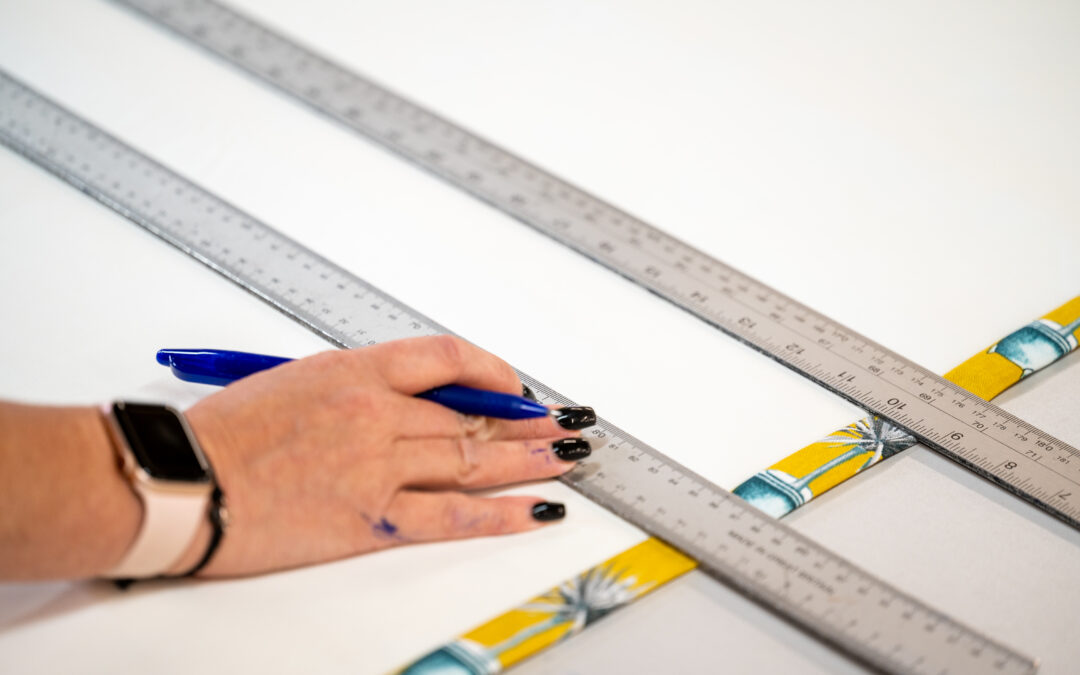
A curtain heading is the way the fabric is gathered, folded or shaped at the top of a curtain. It determines how the curtain hangs from its track or pole and influences the overall character of the window treatment.
Curtain headings also affect:
- The amount of fabric required
- The curtain’s fullness ratio
- How easily the curtain opens and closes
- The type of track, pole or glider needed
- The amount of stack-back at the side of the window
- Whether the finished style feels traditional or contemporary
For trade buyers, choosing a heading should not be an afterthought. It needs to be considered alongside the weight and pattern of the fabric, dimensions of the window, how the room is used and installation hardware.
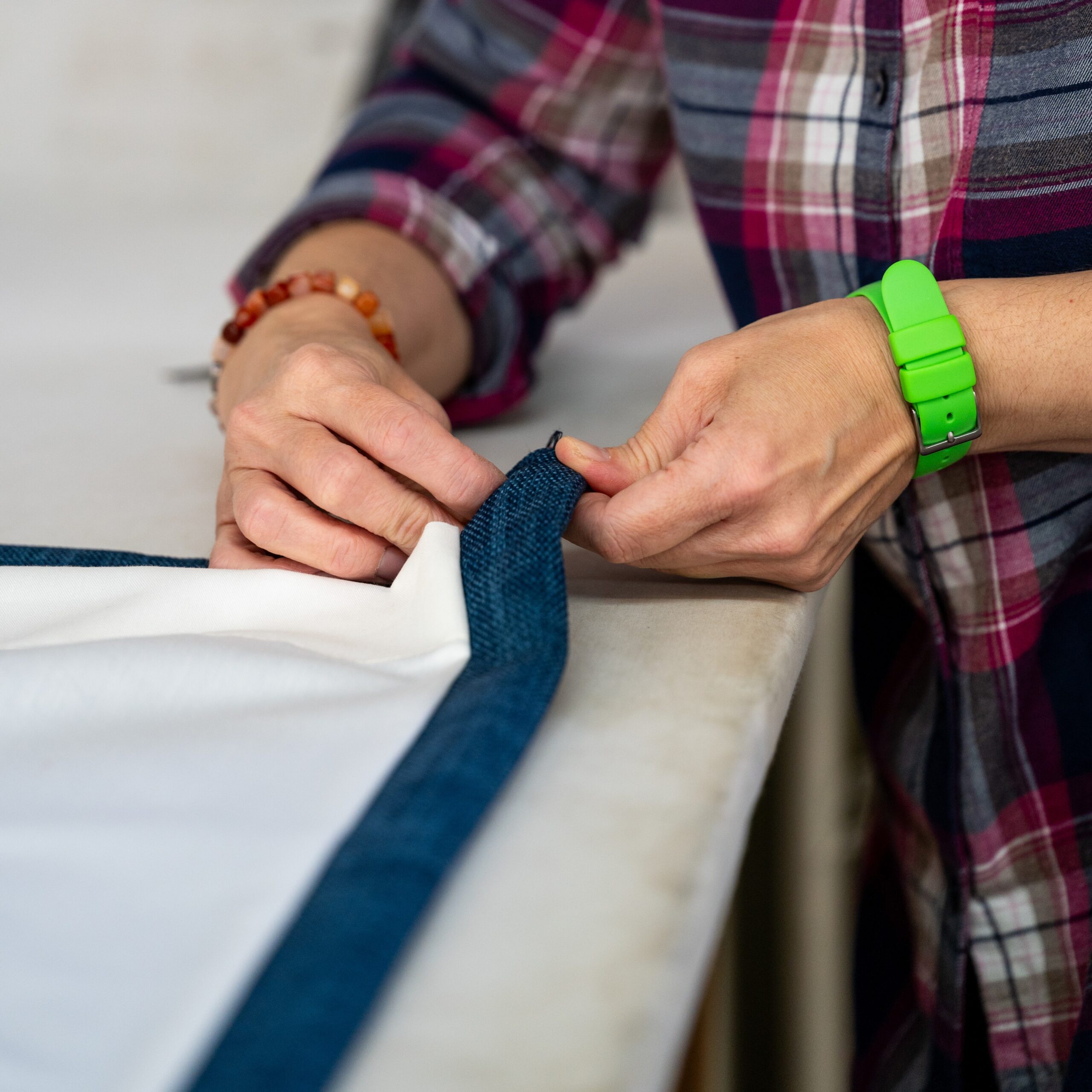
So, Which One Should I Pick?
Choosing the right curtain heading depends on a number of factors. They include the style of the room, the fabric and how much fullness you’re after. It will also depend on the type of track or pole being used.
Pencil pleat is one of the most flexible and cost-effective options. Meanwhile ‘pinch pleat’ creates a more tailored finish, while wave headings deliver a clean, contemporary look.
As a leading trade curtain maker, we help retailers, interior designers, contractors and hospitality professionals select curtain headings that suit both the design and practical requirements of each project.
Whether you are sourcing bespoke curtains for a private residence, show home, commercial development or hotel, the heading can significantly affect the finished appearance.
At Drapes UK, our experienced team manufactures made-to-measure curtains in our trade curtain workroom in the UK. We can work with fabric supplied by you, source material on your behalf or provide options from our own fabric collections.
Which curtain heading is the most versatile?
Pencil pleat is generally the most versatile curtain heading. It can be used with either tracks or poles and adjusted to create different levels of fullness.
The heading is formed using gathering tape, which creates narrow, closely spaced folds resembling a row of pencils. Pencil pleat curtains are popular across domestic, rental and commercial interiors because they are familiar, adaptable and cost-effective.
They work particularly well when:
- The project has a controlled budget
- The curtains may need to fit an existing track or pole
- A simple, traditional finish is required
- The exact gathering width may need minor adjustment during installation
Pencil pleat is practical, but it may not deliver the type of finish required for luxury interiors, boutique hotels or high-end show homes. In those settings, a more tailored heading can create greater visual impact.
Pinch pleat headings for a tailored finish
Pinch pleat curtains have permanent, evenly spaced pleats sewn into the heading. They are made to a specific finished width, so accurate measurements are essential.
Double and triple pinch pleats are among the most common variations. Double pleats provide a smart but relatively understated appearance, while triple pleats create a fuller and more decorative finish.
This heading is well suited to:
- Traditional and classic interiors
- High-end residential projects
- Luxury hotel bedrooms and suites
- Show homes
- Formal dining rooms and reception areas
- Fabrics with enough body to hold a structured pleat
As a bespoke curtain manufacturer, we carefully calculate the spacing and fullness to achieve a balanced appearance across the finished curtain. Pattern placement is also important, particularly when working with checks, stripes, embroidered fabrics or prominent motifs.
Are wave curtains suitable for commercial projects?
Yes, they are an excellent choice for modern commercial and hospitality interiors. They create smooth, regular folds that continue from the top of the curtain to the hem.
Wave headings use a specialist track and glider system. The spacing within the track controls the shape of the folds, producing a consistent and contemporary finish.
Wave curtains are frequently specified for:
- Modern hotels
- Serviced apartments
- Office reception areas
- New-build developments
- Contemporary show homes
- Large glazed windows and doors
They are particularly effective when used with plain fabrics, sheers and voiles. The simple shape allows the texture and drape of the material to remain visible without a heavily decorative heading.
However, wave headings require compatible hardware. If you are specifying Silent Gliss wave curtains or another wave track system, the track, gliders, fabric allowance and finished curtain dimensions must all be considered together.
For projects for hotels in the UK, wave headings can also be used as part of a layered treatment, with sheer curtains for daytime privacy and blackout curtains for light control.
When should you specify eyelet curtains?
Eyelet curtains feature metal rings fitted directly into the top of the curtain. The pole passes through the rings, creating wide, even folds.
They offer a simple and contemporary appearance, but they are only suitable for curtain poles. They cannot be installed on a standard curtain track.
Eyelets may be appropriate for residential developments, student accommodation and straightforward commercial schemes. Buyers should consider the diameter and finish of the eyelets, the pole size and the clearance above the window.
Eyelet curtains can be easy to operate, although they may not be the preferred option for projects requiring specialist tracks, discreet hardware or layered window treatments.
How much fullness should curtains have?
Curtain fullness describes the relationship between the width of the fabric and the finished width of the curtain. For example, a curtain made with twice the width of the area it covers has approximately two-times fullness.
There is no single fullness ratio that suits every heading. The appropriate amount depends on the heading style, fabric, track system and required appearance.
A lightweight voile may need generous fullness to create soft folds, while a thick or heavily patterned fabric may require a different calculation. Using too little fabric can make curtains appear flat. Excessive fullness can create unnecessary bulk, affect stack-back and make the curtains harder to operate.
Our team can advise on fabric quantities and heading specifications before production begins.
A checklist for practical curtain headings
Before placing an order with a workroom, confirm:
- The finished track or width of the pole
- The required drop of the curtain
- The type and position of the hardware
- Whether the curtains will be decorative or regularly operated
- The fabric composition, weight and pattern repeat
- The required fullness
- Any blackout, thermal or interlining requirements
- The available stack-back space
- Whether installation is included
Providing this information helps a commercial curtain manufacturer produce curtains that fit correctly and perform as intended.
Working with Drapes UK
Drapes UK has supplied made-to-measure curtains, blinds and soft furnishings to the trade since 1986. With more than 50 skilled operators in our UK workroom, we support projects ranging from individual bespoke orders to larger contract curtain runs.
Alongside manufacturing quality curtains, we offer Roman blinds, roller blinds, Venetian blinds, laminated blinds, vertical blinds, pelmets, headboards, cushions, fabrics, hardware and soft furnishing accessories.
Our team can also support commercial, construction, show home and hospitality projects across the UK.
Whether you need pinch pleat curtains for a boutique hotel, wave curtains for a modern development or pencil pleat curtains for a retail customer, we can help you specify the right heading, fabric allowance and hardware.
Book a call with Drapes UK to discuss your next project.
Recent Comments